Servicing Brisbane, South East Queensland & Sunshine Coast
Metal roof restorations
Servicing Brisbane, South East Queensland & Sunshine Coast
Restore your metal roof. Extend its life.
Improve weatherproofing without replacing the whole thing.
Not every ageing metal roof needs to be replaced. If the sheets are structurally sound but the surface is fading, early rust is appearing at fastener points, sealants around penetrations are cracking, and the roof is starting to look tired, a properly executed metal roof restoration can add years of serviceable life at a fraction of re-roofing cost.
The key word is properly. A metal roof restoration that skips the prep work, treats rust without priming, or applies coatings over failing fasteners and unsealed laps is a cosmetic exercise that fails quickly. Custom Profile Roofing carries out metal roof restorations across Brisbane, SEQ, and the Sunshine Coast with a repair-first approach: fix what needs fixing, prepare the surface correctly, then apply the sealing and recoating system.
What every installation includes:
QBCC-licensed tradespeople on every stage of the job
Photo-documented inspection and written scope before any work begins
Written quote covering all repairs, prep, materials, and total cost
Workmanship guarantee on the completed restoration
Full site clean at completion


roof restoration
What a Metal Roof Restoration Includes
The term restoration is used loosely across the industry. Some contractors use it to describe a pressure wash and a coat of paint. A restoration done properly is a staged process that starts with the roof condition and works forward from there. Here is what a genuine metal roof restoration covers:
Inspection and Condition Assessment
A thorough on-roof inspection with photos to assess sheet condition, fastener status, flashing integrity, sealant condition at all penetrations, rust extent, and overall substrate suitability for restoration.
The inspection determines the scope of repairs needed before any coating work begins. We do not apply coatings over a roof that has not been properly assessed and prepared.
Fastener and Screw Assessment and Replacement
Every screw on an exposed-fix metal roof relies on a rubber or neoprene washer for its watertight seal. These washers degrade under Queensland UV, and once they fail, every fastener becomes a potential water entry point.
As part of every restoration, we assess fastener and washer condition across the full roof surface and replace those that are corroded, backed out, or have perished washers. Roof screw replacement is one of the highest-value steps in a metal roof restoration because it addresses what is often the primary source of water ingress before any coating is applied.
Flashing and Sealant Repairs
Flashings at wall junctions, valley edges, ridge cappings, and all penetrations including solar panel rails, skylights, vents, and antenna mounts are inspected and repaired where sealant has failed or flashings have lifted. Resealing these points before coating is carried out is essential. A coating applied over a failed flashing does not fix the flashing.
Roof Cleaning and Surface Preparation
Thorough cleaning to remove dirt, biological growth, oxidation, and loose material from the roof surface. Proper prep is what determines whether a coating bonds correctly and delivers lasting performance. Gutters and downpipes are protected during the cleaning process and cleared afterwards.
Rust Treatment and Priming
Application of a roof sealing and recoating system appropriate for the roof substrate and condition. The coating protects the metal from further UV degradation, improves weatherproofing across laps and seams, and refreshes the appearance of the roof. Product selection matters: we specify coating systems suited to the roof profile, the substrate condition, and the exposure level of the property.
Recoating and Sealing System
Application of a roof sealing and recoating system appropriate for the roof substrate and condition. The coating protects the metal from further UV degradation, improves weatherproofing across laps and seams, and refreshes the appearance of the roof. Product selection matters: we specify coating systems suited to the roof profile, the substrate condition, and the exposure level of the property.
Final Quality Check and Clean
A final walkover inspection before the team comes down, clean-up of all equipment and materials, gutters and downpipes checked and cleared, and the site left tidy. You receive documentation of the work completed and our workmanship guarantee details.
What a restoration does not include: structural batten repairs, full sheet replacement across multiple sections, or a solution for a roof that has corrosion progressed through the sheet metal to the point of structural failure. If the roof has reached that stage, re-roofing is the right call and we will say so.
Book a free roof inspection
Get an honest assessment from our team. Call or book an inspection online.
when
Signs Your Metal Roof Is a Good Candidate for Restoration
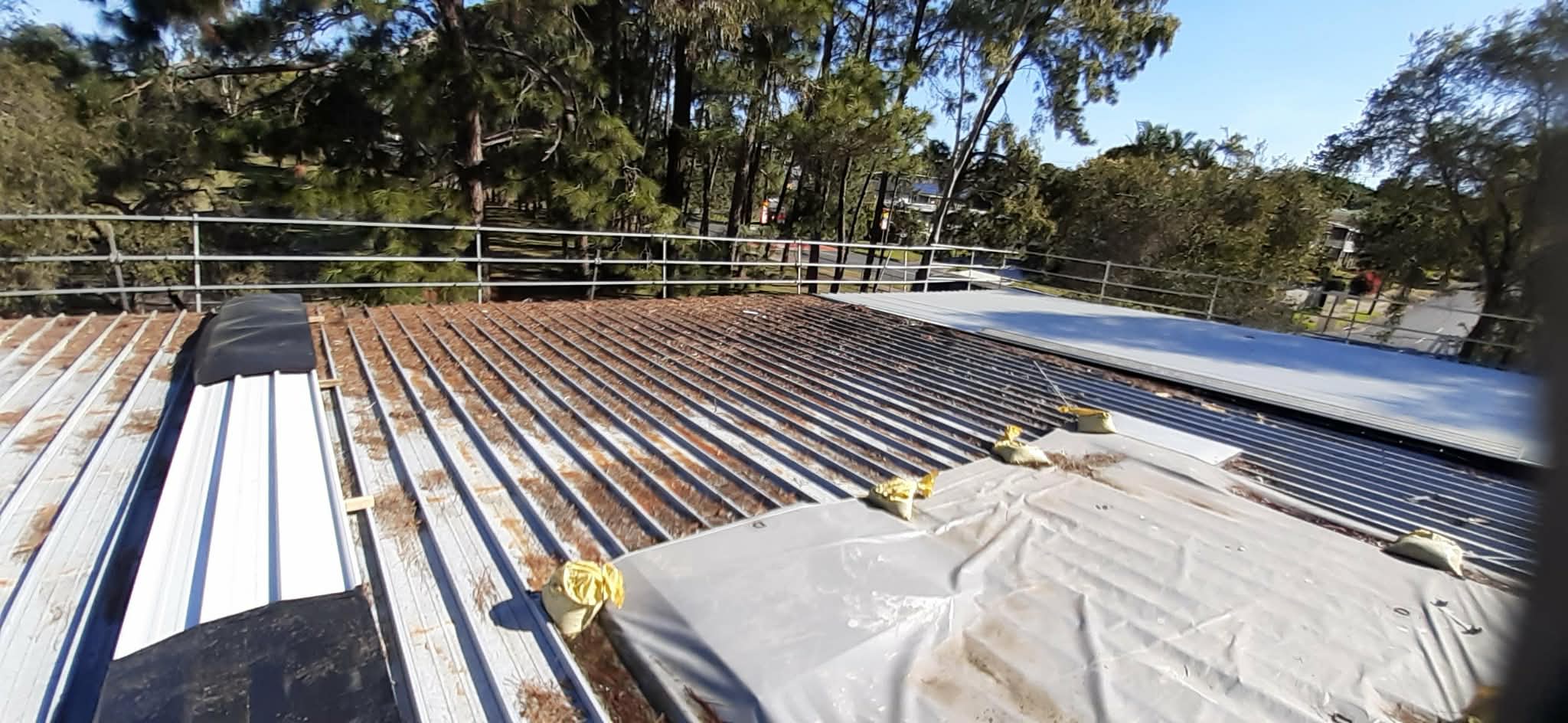
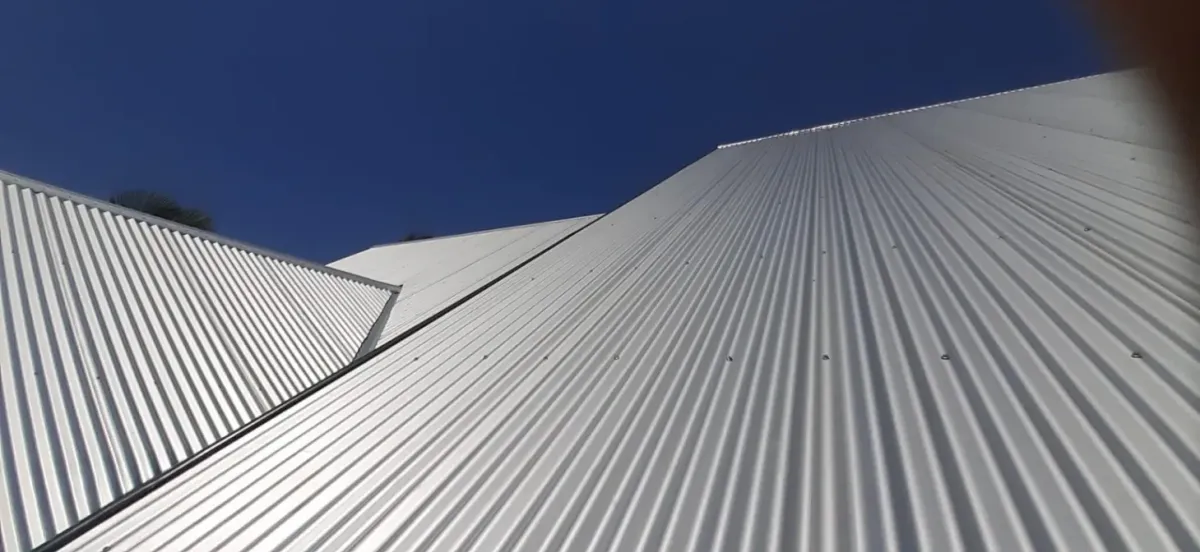
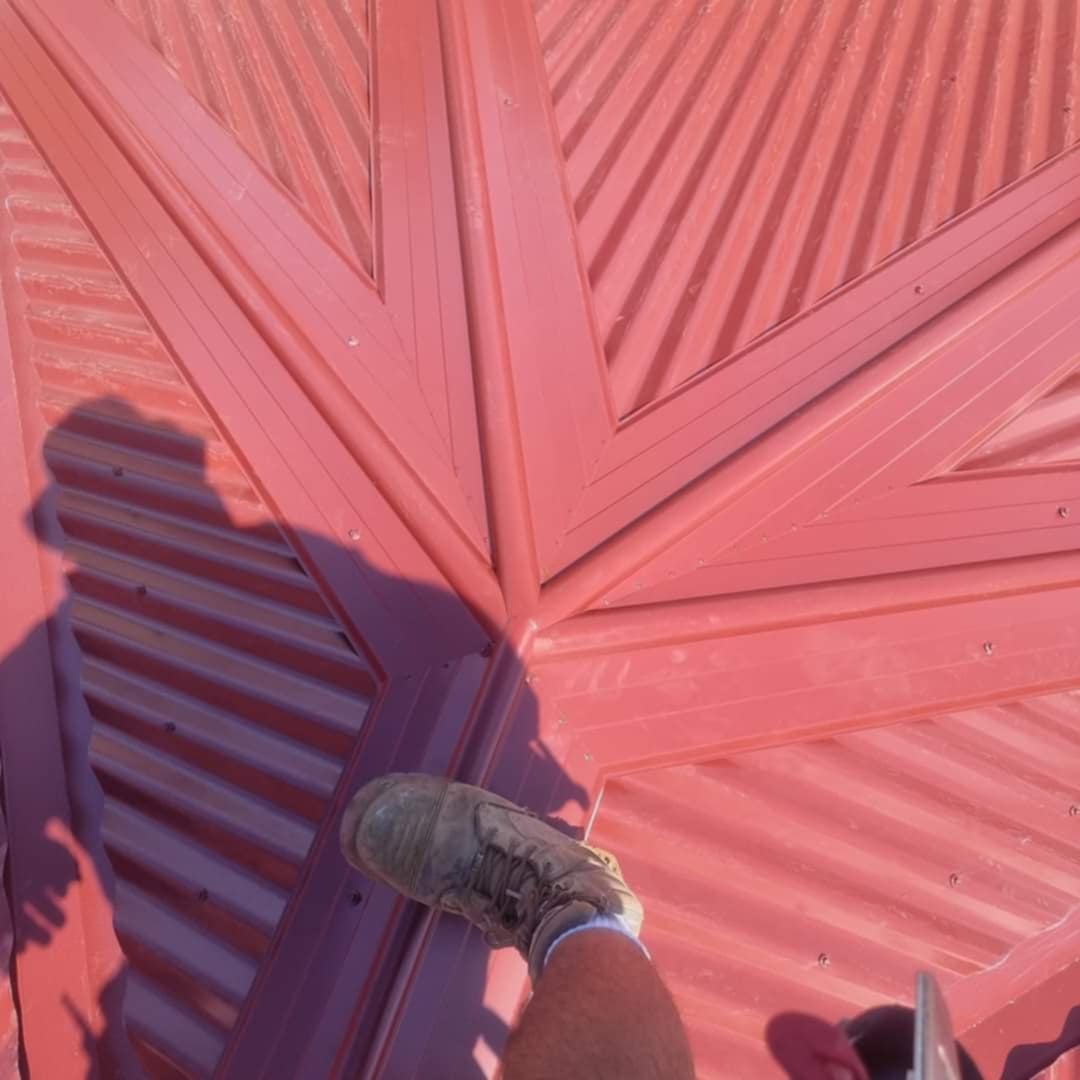
A restoration is the right option when the roof has good structural integrity but the surface has fatigued. These are the signs that indicate restoration is likely to deliver real value:
Faded, chalky, or oxidised finish on Colorbond or painted metal sheeting. The protective coating is degrading but the underlying steel is still sound.
Early rust spots appearing at screw points, lap edges, or cut sheet ends. Surface rust that has not yet progressed to corrosion through the sheet can be treated and sealed effectively.
Minor recurring leaks at fasteners or around penetrations. If the leaks are at specific identifiable points rather than widespread across the roof, restoration with targeted repairs addresses the cause rather than just the symptom.
Cracking or dried sealant around penetrations including solar panel mounts, vents, skylights, and ridge cappings. Deteriorated sealant is straightforward to address during a restoration before it becomes an active water ingress point.
Roof looks tired but sheets are largely intact and sound. Dented, faded, and weathered sheeting that still has structural integrity is a good restoration candidate. Perforated, cracked, or heavily corroded sheeting is not.
The roof is between 10 and 25 years old and has not previously been restored. A well-timed restoration on a roof in this age range can extend serviceable life significantly at a fraction of re-roofing cost.
If you are unsure whether your roof is a good restoration candidate, an inspection with photos gives you a clear answer before you commit to anything.
Book a free roof inspection
Contact our roofers today to discuss your project requirements.
When Restoration Is Not the Right Option and Re-Roofing Makes More Sense
We would rather have an honest conversation upfront than carry out a restoration on a roof that is not a suitable candidate. These are the conditions that indicate re-roofing is the more cost-effective decision:
Widespread sheet corrosion across multiple bays. When corrosion has progressed through the metal in multiple locations, a coating system cannot restore structural integrity. Recoating over sheets with through-corrosion is a short-term cosmetic fix that will fail quickly.
Multiple recurring leaks at different locations across the roof. If the roof is generating new leaks faster than targeted repairs can address them, the failure is systemic rather than isolated and restoration is unlikely to resolve it sustainably.
Extensive storm or hail damage across large roof sections. Restoration is suited to surface-level deterioration, not to physical damage that has compromised the integrity of the sheets or the fixing system across large areas.
Sheeting that is brittle, heavily pitted, or thinned through corrosion. When the sheet itself no longer has the structural weight and stiffness it should, neither restoration nor targeted repair restores it to a sound condition.
Batten or tie-down issues identified during inspection. If the underlying structure needs attention that requires the roof to come off, the most cost-effective approach is usually to replace the sheeting at the same time.
IIf restoration is not cost-effective for your roof, we will say so clearly and give you a comparative quote for re-roofing so you can make an informed decision.
request a free restoration quote
Contact our roofers today to discuss your project requirements.
Our Metal Roof Restoration Process
Every restoration project follows the same structured sequence. Skipping steps is how restorations fail ahead of schedule.
Restoration
Sheets structurally sound
Surface fatigue, fading,
minor rust, fastener wear
Goal: extend life and
improve weatherproofing
Best for: roofs with good
bones but a tired surface
Targeted Repair
Roof largely in good condition
One or two defined failure
points only
Goal: fix a specific problem
Best for: isolated leaks,
one failed flashing, a
handful of screws
Re-Roof
Widespread sheet corrosion
Multiple recurring leaks
or structural failure
Goal: full system replacement
Best for: roofs past their
serviceable life where
restoration cannot fix the
underlying condition
The table above shows how restoration compares to the other service options. In terms of our actual on-roof process, here is how each restoration job is run:
Step 1
On-roof inspection with photos and a written condition report. We identify every issue before a quote is written.
Step 2
Written scope covering repairs needed, prep method, coating system, materials, and total cost. You review and approve before any work starts.
Step 3
All fastener, flashing, and sealant repairs are completed first. We do not coat over problems.
Step 4
Roof is cleaned and prepared thoroughly. Gutters and downpipes are protected during the cleaning process.
Step 5
Rust treatment and priming applied at all affected points before the coating system goes on.
Step 6
Sealing and recoating system applied to the prepared surface
Step 7
Final quality inspection, site clean, gutters and downpipes cleared, and workmanship documentation provided at handover.
why us
Why Choose us
service Area
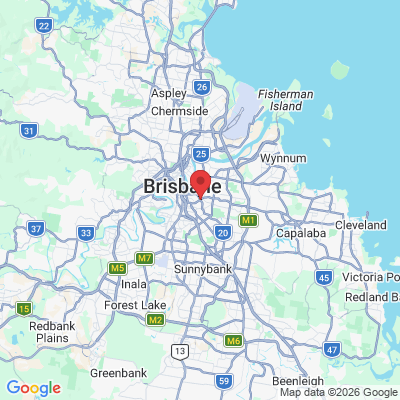
Custom Profile Roofing carries out metal roof restorations across South East Queensland. Our core service corridor runs from Brisbane north through North Lakes and the North Brisbane corridor up to the full Sunshine Coast region.
Brisbane
North Lakes
Ashgrove
Chermside
Petrie
Caboolture
Morayfield
Brisbane
North Lakes
Ashgrove
Chermside
Petrie
Caboolture
Morayfield
FAQ
Metal Roof restoration FAQs
What is included in a metal roof restoration?
A properly executed metal roof restoration includes an on-roof inspection with photos, replacement of failed or corroded screws and washers, repair of flashings and sealants at all penetrations and wall junctions, thorough roof cleaning and surface preparation, rust treatment and priming where rust is present, and application of a sealing and recoating system appropriate for the substrate and exposure level. It ends with a final quality inspection, site clean, and workmanship documentation. What it does not include is a solution for roofs with through-corrosion across multiple sheet sections or structural failure. Those roofs need re-roofing, not restoration.
Can you restore Colorbond roofs?
Yes. Colorbond roof restoration is a significant part of our work across Brisbane and the Sunshine Coast. Colorbond steel can oxidise and fade over time, and fastener washers on exposed-fix Colorbond roofs deteriorate under Queensland UV. A restoration on a Colorbond roof in good structural condition, which includes fastener replacement, flashing and sealant repairs, thorough prep, and an appropriate recoating system, can extend the roof's serviceable life substantially.
How long does a metal roof restoration take?
Most residential metal roof restorations take between two and four days depending on roof size, pitch, access, the extent of repairs required before coating, and weather conditions. The repair and preparation stages take the most time on roofs with significant fastener replacement or rust treatment work. We provide a realistic timeline in the written quote before any work begins.
Will a restoration stop my roof from leaking?
If the leaks are at specific identifiable failure points such as perished screw washers, failed flashing sealant, or cracked cappings, yes. A restoration that includes thorough repairs at those points before coating is applied will address the cause of the water ingress. If the leaks are widespread across the roof and the result of systemic sheet corrosion or structural failure rather than specific repair-able points, a restoration is not the right solution. That distinction is why the inspection and repair scope comes before any coating is applied.
Do you replace roof screws and fasteners during a restoration?
Yes, and it is one of the most important steps. We assess fastener and washer condition across the full roof surface during inspection and replace those that are corroded, backed out, or have perished washers. On coastal Sunshine Coast properties we specify corrosion-resistant fasteners appropriate for the salt air environment. Roof screw replacement during a restoration addresses what is often the primary source of water ingress at fastener points and is a non-negotiable part of a properly executed restoration.
What is the difference between restoration and re-roofing?
A restoration is for a roof that is structurally sound but showing surface-level deterioration. It involves repairs, prep, and recoating to extend the existing roof's serviceable life. A re-roof removes the old roofing system and installs a new one. Restoration costs less but is only the right option when the roof substrate can genuinely support it. When corrosion is widespread, when leaks are recurring across multiple points, or when the sheeting has deteriorated past the point where coating adds value, re-roofing delivers better long-term value. We will give you an honest comparison of both options during the inspection process.
Is restoration worth it on a Sunshine Coast property near the coast?
It depends on the condition of the roof. Salt air accelerates corrosion at fasteners, lap edges, and flashing points, which means coastal roofs often have a higher proportion of fastener replacement and rust treatment in their restoration scope than equivalent inland properties. If the sheets are still structurally sound and the corrosion is at the surface rather than through the metal, a restoration with the right coastal-appropriate materials is worthwhile. If corrosion is widespread or the sheets are already compromised, re-roofing is the more cost-effective decision. The inspection tells you which situation you are in.
What maintenance helps keep a restored roof in good condition?
The key maintenance tasks after a metal roof restoration are keeping gutters and downpipes clear of debris, inspecting flashings and cappings annually for any sealant cracking or lifting, checking penetration seals around solar panel mounts and vents every few years, and on coastal properties washing the roof surface annually to remove salt deposit buildup. The restoration coating system extends the protection on the roof surface but does not eliminate the need for periodic inspection. We cover maintenance recommendations in the handover documentation at the completion of every restoration.
Book a Metal Roof restoration inspection
If your metal roof is showing signs of fatigue but the sheets are still structurally sound, the right first step is an on-roof inspection with photos. We will assess the condition honestly, give you a clear scope of what the restoration involves, and provide a written quote you can compare against re-roofing if you want both options in front of you.
Talk to a Local Metal roofer Today
Whether you've got a leak that needs sorting this week or you're planning a full re-roof, we're ready to help. Get in touch with Custom Profile Roofing for a fast, written quote from a team that knows metal roofing inside out.
QBCC License: 1162830

© Custom Profile Roofing, 2026 All rights Reserved.