Servicing South East Queensland

Metal Roof Leak Repair
Servicing Brisbane, South East Queensland & Sunshine Coast
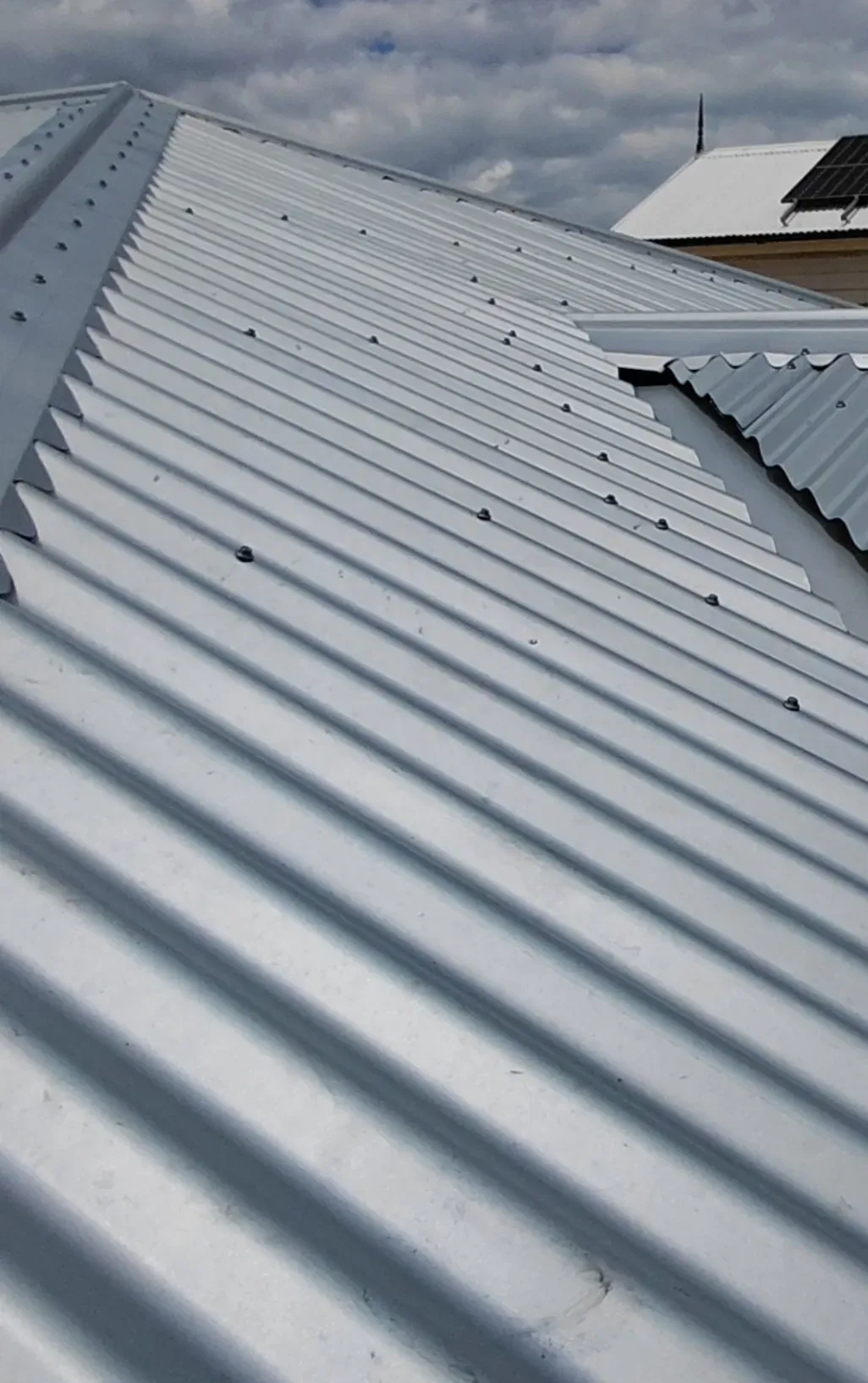
Metal Roof Leak Detection & Repair
A leaking roof rarely gets better on its own. The longer water is finding a way in, the more damage it's doing to your ceiling, insulation, timber framing, and anything underneath. The problem is that where water enters the roof and where it shows up inside are often two completely different places.
At Custom Profile Roofing, we specialise in metal and Colorbond roof leak detection and repair across Brisbane. We don't guess, we trace the leak to its actual source, repair it properly, and help you understand what caused it so it doesn't come back.
What we bring to every leak job:
QBCC-licensed and fully insured
Photo-based inspection and quoting (you see exactly what we find)
Written scope before any work starts (no surprises)
Workmanship guarantee on all repairs
Honest advice: if the roof is end-of-life, we'll tell you upfront




Roof LEak
What to Do Right Now If Your Roof Is Leaking
If water is actively coming in, here's what to do before the repair team arrives:
Place buckets or containers under active drips to limit floor and furniture damage.
Move valuables, furniture, and electronics away from the affected area.
If you have a sagging or bubbling ceiling, do not stand underneath it as water weight can cause plasterboard to collapse without warning.
Do not attempt to access the roof yourself, particularly in wet or windy conditions.
If water is near a light fitting, ceiling fan, or power point, switch off the power to that circuit at the switchboard and call a licensed electrician before anything else. Water and live electricity are a serious hazard.
Once it's safe, take photos of where water is entering and any ceiling or wall damage. These help us triage the job before we arrive and give you a faster quote.
Book a free roof inspection
Get a clear diagnosis and written quote. Call or book an inspection online.
Roof LEak detection
Roof Leak Detection
Why Leaks Don't Show Up Where They Start
One of the most common misconceptions about roof leaks is that the source is directly above the wet patch on the ceiling. In most cases, it isn't.
Water enters through a failure point, such as a perished screw washer, a lifted flashing, a gap in a lap, and then travels along sarking, battens, insulation, or the underside of sheeting before it drips down somewhere else entirely. Wind-driven rain makes this even less predictable: water can be pushed uphill under a lap or through a gap that would be perfectly weatherproof in a standard downpour.
This is why a proper inspection matters more than a visual scan from the ground. When we inspect for a leak source, we're checking:
Screws and fasteners: rubber washers perish under Queensland UV and are one of the most common causes of metal roof leaks.
Flashings at wall junctions, valleys, and penetrations, including around chimneys, skylights, solar panel mounts, and roof vents.
Ridge and barge capping where capping sealant has cracked or lifted, or fixings have worked loose over time.
Valleys and box gutters: high water flow points that are prone to overflow, rust, and debris accumulation.
Sheet laps and seams, particularly on low-pitched roofs where water sits longer.
Rust patches and corrosion points, which can develop into through-holes without being immediately obvious from below.
Penetrations: solar panel rails, antenna mounts, vents, and skylight frames are all common leak points if the original installation wasn't sealed properly or has since deteriorated.
Our inspections are photo-documented. You'll see exactly what we find, where it is, and what we recommend to fix it.
roof repair
Our Metal Roof Leak Repair Services
We carry out repairs on all common metal roofing systems used across Brisbane, including Colorbond, Zincalume, corrugated iron, Klip-Lok, and Trimdek. Every repair is scoped in writing and photo-documented before and after.
What we fix:
Roof Screw Replacement & Re-Fastening
Replacing perished or corroded screws and washers across affected sections of the roof. Where widespread washer failure is found, we can re-screw full sections to prevent future leaks rather than returning repeatedly to fix individual screws.
Flashing Repair & Replacement
Resealing, re-bedding, or fabricating and replacing flashings at wall junctions, valleys, ridge lines, and around any penetration. We use compatible materials to the existing roof system.
Sheet Patch & Partial Resheet
Where individual sheets are cracked, corroded through, or physically damaged, we can replace them individually or in sections, matching the existing profile and colour where possible.
Valley & Box Gutter Repairs
Cleaning, resealing, re-lining, or replacing valley gutters and box gutters that are failing, corroded, or overflowing. These are high-priority repairs given the volume of water they carry.
Penetration Leak Repairs
Resealing or re-flashing around solar panel mounts, skylights, roof vents, whirlybirds, and antenna mounts (common sources of leaks, particularly where the original installation used inadequate sealant or no custom flashing).
Rust Treatment & Replacement of Corroded Sections
Treating surface rust, applying rust-inhibiting primer, and where corrosion has progressed to through-holes, replacing affected sheets or sections outright.
Book a free roof inspection
Get a clear diagnosis and written quote. Call or book an inspection online.
Signs You Need Leaking Roof Repairs
Before It Becomes a Major Problem
A roof leak doesn't always announce itself with water dripping through the ceiling. These are the early warning signs worth acting on:
Yellow or brown ceiling stains: often the first sign water has been getting in for some time.
Bubbling or blistering paint on ceilings or walls: indicates moisture trapped behind the surface.
A musty or mouldy smell, particularly in rooms below the roof cavity: wet insulation is a common culprit.
Damp or sagging insulation: visible if you have roof access; also increases the risk of ceiling failure.
Rust blooms on ceiling plasterboard: caused by water tracking through roofing screws or fixings and dripping onto the ceiling below.
Visible rust staining on exterior walls: can indicate overflowing gutters or failing flashings at wall junctions.
Loose or lifted ridge capping or flashings: visible from the ground or neighbouring buildings.
Leaks that only appear during wind-driven rain: a strong indicator of flashing or lap failure rather than a hole in the sheet.
If you're seeing any of these signs, it's worth getting the roof inspected before the next storm season. Catching a minor flashing failure or perished screw section early is significantly cheaper than dealing with damaged insulation, ceiling replacement, and mould remediation later.
Book a free roof inspection
Get a clear diagnosis and written quote. Call or book an inspection online.
Storm Damage & Urgent Leak Repairs
Make-Safe First, Permanent Fix Second
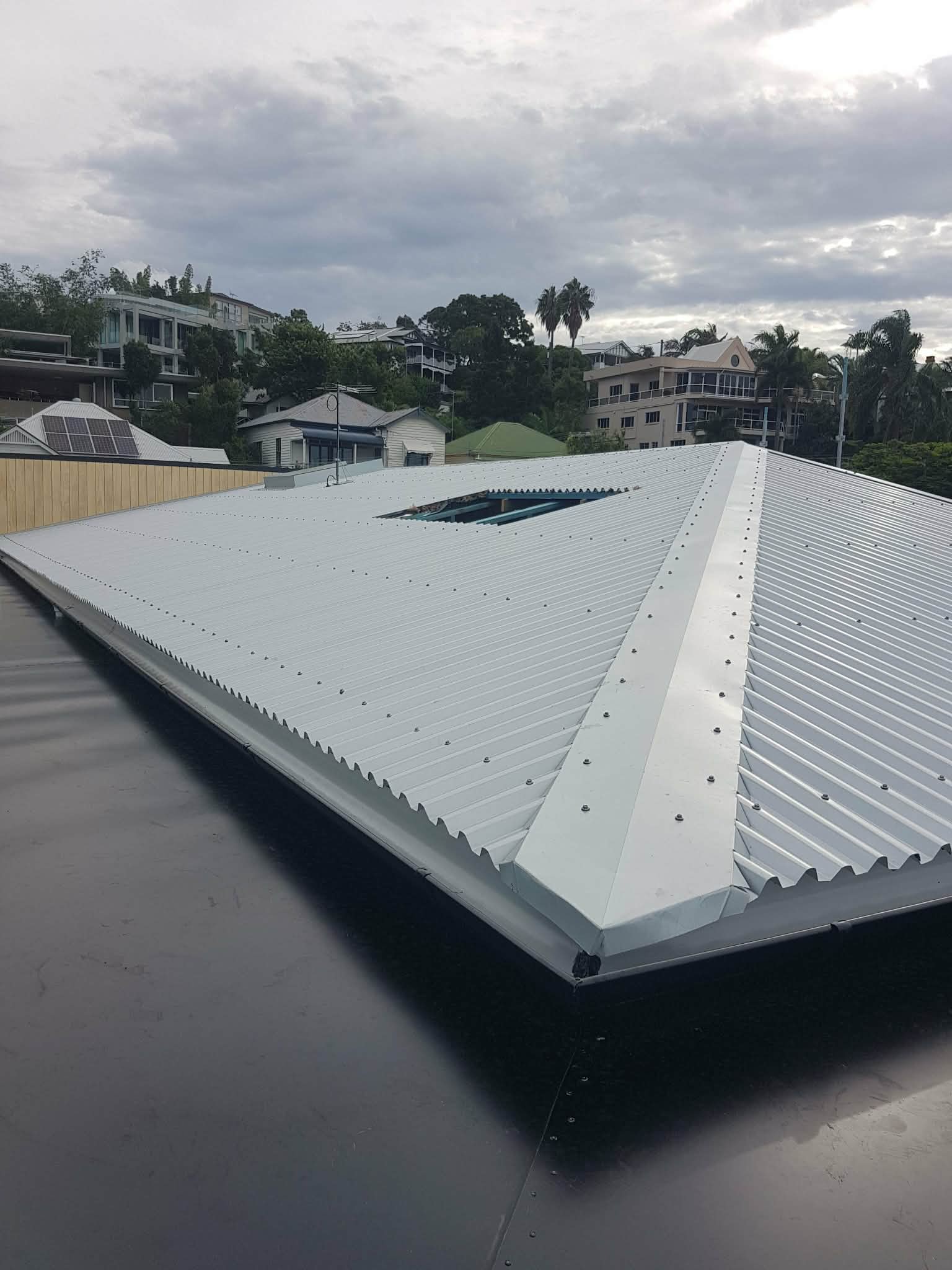
When a storm has caused or worsened a leak, the first priority is making the building watertight as quickly as safely possible. This is what we call a make-safe repair, temporary weatherproofing to stop water entry until a full repair can be properly scoped and scheduled.
A make-safe might involve temporary sheeting, covering exposed sections with appropriate weatherproof materials, or re-securing lifted capping to prevent further wind damage. It is not a permanent fix, and we'll always be clear about that distinction.
For storm-related leaks, photos of the damage (taken safely from the ground or inside) help us triage the job quickly and give you a faster response. Safe roof access is a requirement before any work begins, we won't rush onto a wet or unstable roof.
We respond to storm damage repair requests across Brisbane and the Sunshine Coast.
We'll advise on what needs to happen immediately versus what can be scheduled.
All storm repairs are photo-documented for your records (useful for insurance purposes).
what's the difference
Repair vs Restoration vs Re-Roof. Which Is Right for You?
Getting this decision right saves you money. The wrong call in either direction: repairing a roof that should be replaced, or replacing a roof that just needed targeted repairs, is an expensive mistake. Here's a quick guide:
Roof Repair
Isolated failure point
Roof structurally sound
1–3 leak sources
Best for: screws, flashings, single sheet damage
Roof Restoration
Broader deterioration
Sheets sound but weathered
Sealing + coating system
Best for: ageing roof with widespread fatigue but no structural failure
Re-Roof
Widespread corrosion
Repeated leaks, multiple failure points
End-of-life sheeting
Best for: roofs past serviceable life
The honest answer is: it depends on the actual condition of your roof. An inspection gives you the information to make a confident decision, rather than guessing based on the age of the roof alone.
service Area
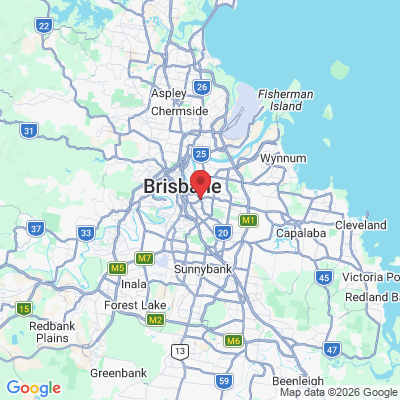
Custom Profile Roofing carries out metal roof leak repairs across South East Queensland. Our core service corridor runs from Brisbane north through North Lakes and the North Brisbane corridor up to the full Sunshine Coast region.
Brisbane
North Lakes
Ashgrove
Chermside
Petrie
Caboolture
Morayfield
Carindale
Caboolture
Redcliffe
Toowoomba
Gatton
Maroochydore
Sunshine Coast
FAQ
Metal Roofing FAQs
How do you find the source of a roof leak?
We start by inspecting the most common failure points for the roof type: screws and washers, flashings, laps, valleys, and penetrations, and work systematically from there. On complex leaks, we may need to trace the water path from where it appears inside back up through the roof structure. Every inspection is photo-documented so you can see exactly what we find and where.
Can you fix leaks on Colorbond and other metal roofs?
Yes. We work with all common metal roofing systems used in Brisbane: Colorbond, Zincalume, corrugated iron, Klip-Lok, Trimdek, and custom architectural profiles. The repair approach depends on the profile and the failure point, but we carry out repairs on all of them.
Is a roof leak an emergency?
It depends on where and how fast water is entering. Water near electrical fittings is always urgent, switch off power to the affected circuit and call a licensed electrician. A steady drip into a bucket is less urgent than a sagging, water-heavy ceiling. If you're unsure, call us and we'll help you assess it. Don't attempt to access the roof yourself in wet or windy conditions.
Why does my ceiling leak far from where the roof hole is?
Because water doesn't usually travel straight down. It enters through a failure point and then runs along sarking, roof battens, insulation, or the underside of sheeting before dripping down somewhere else. Wind-driven rain adds another variable — it can push water uphill under laps or through gaps that are otherwise weatherproof. This is why a proper inspection almost always finds the source somewhere different from where the ceiling is wet.
Do metal roofs leak around screws?
Yes, and this is one of the most common metal roof leak causes we see in Brisbane. Each exposed-fix screw has a rubber or neoprene washer that creates a watertight seal. Queensland's UV intensity degrades these washers over time (typically 10–15 years) and once they harden or crack, every screw becomes a potential entry point. Re-screwing with new fasteners and washers is a cost-effective fix and often the first thing we check.
Can you repair leaks around solar panels and skylights?
Yes. Solar panel rail mounts and skylight frames are among the most common penetration leak points we deal with. The original installation may not have used a proper custom flashing, or the sealant has since deteriorated. We re-flash or reseal these penetrations using compatible materials to the existing roof system.
How do I know if I need a repair or a full re-roof?
The key question is whether the failure is isolated or widespread. A single failed flashing or a section of perished screws is a repair. Widespread corrosion across multiple bays, repeated leaks in different locations, or sheeting that's past its structural life points toward re-roofing. An inspection gives you an honest answer, we'll tell you what we find and what we'd recommend, with no obligation.
How long do leaking roof repairs usually take?
Small, isolated repairs (a section of re-screwing, a flashing reseal, a single sheet replacement) can often be completed in a few hours on the same day as the inspection. More complex repairs involving fabricated flashings, valley replacement, or partial resheet work may take a full day or require a follow-up visit for materials. We'll always give you a realistic timeline in the quote.
Book a free roof inspection
If you've got a leak, or you suspect one, the right move is to get the roof properly inspected before the next rain event. We'll trace the leak to its source, give you a clear written scope, and carry out repairs that actually last.
Talk to a Local Metal roofer Today
Whether you've got a leak that needs sorting this week or you're planning a full re-roof, we're ready to help. Get in touch with Custom Profile Roofing for a fast, written quote from a team that knows metal roofing inside out.
© Custom Profile Roofing, 2026 All rights Reserved.