Servicing South East Queensland

Metal roof flashing repairs & Replacement
Servicing Brisbane, South East Queensland & Sunshine Coast
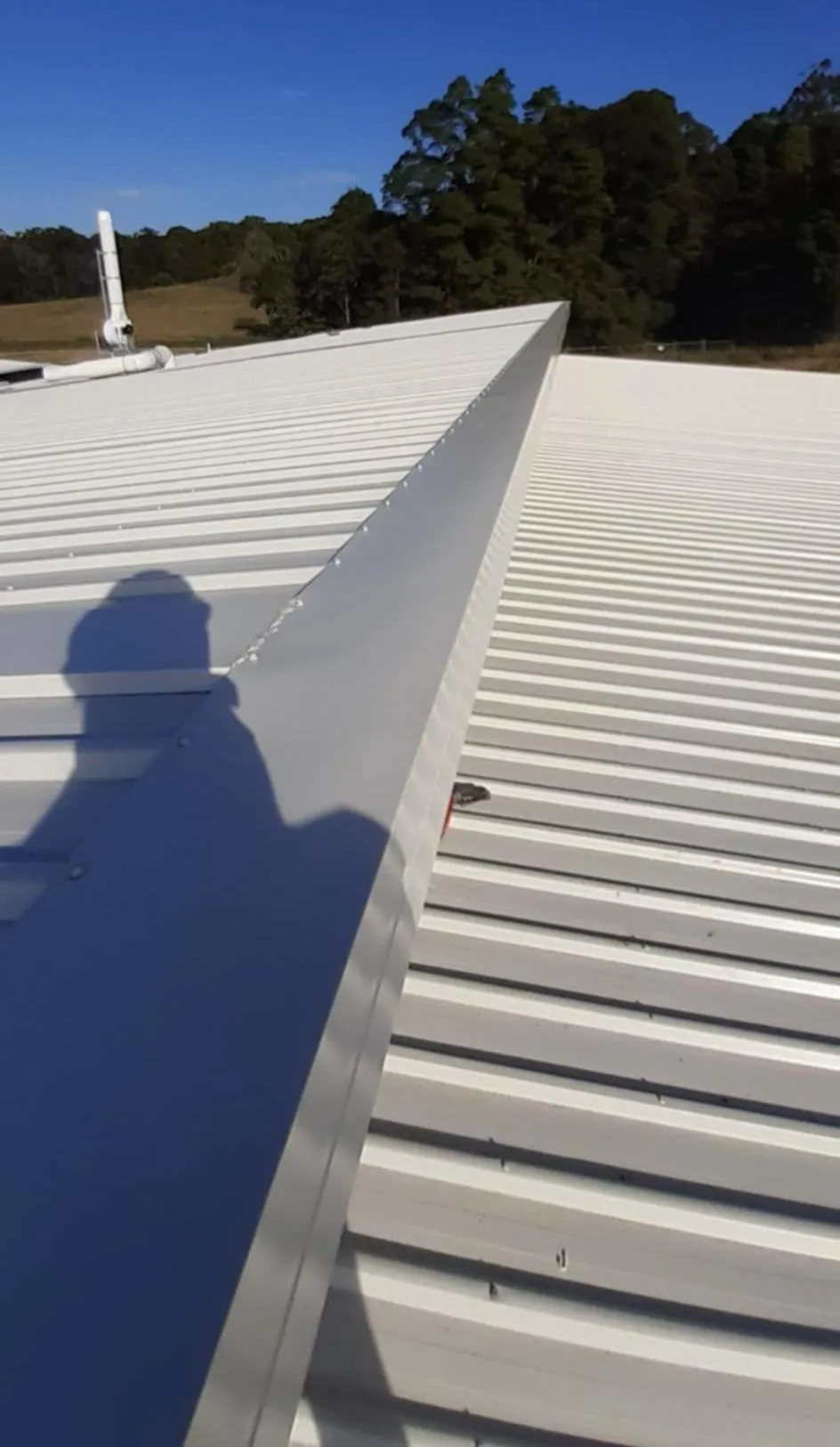
Find the leak point. Repair or replace the flashing correctly. Stop the water getting in.
Roof flashing repair is one of the most common jobs we carry out across Brisbane and the Sunshine Coast, and for good reason. Flashings are the components that seal every vulnerable junction on your metal roof: where the roof meets a wall, where it changes direction at a valley or hip, where penetrations like skylights, solar rails, and vents pass through the sheeting. When a flashing fails, water finds a way in regardless of how good the rest of the roof is.
The tricky part is that flashing leaks often only show up during wind-driven rain, and the water that appears on your ceiling can be tracking from a junction metres away from where it drips down. Finding the actual entry point rather than guessing is what determines whether the repair lasts.
Custom Profile Roofing carries out metal roof flashing repairs and replacement across Brisbane, SEQ, and the Sunshine Coast. We work on all common flashing types across all metal roofing profiles including Colorbond, Zincalume, Klip-Lok, Trimdek, and corrugated iron.
What every job includes:
QBCC-licensed tradespeople on the tools throughout
Photo-documented inspection to identify the actual entry point before any work begins
Written scope and quote covering the correct repair or replacement method
Workmanship guarantee on completed repairs and replacements
Tidy site and clean handover




What Is Roof Flashing and Why Is It Often the Real Cause of Leaks?
Roof flashing is sheet metal formed and installed at every point where the roof surface meets another surface, changes direction, or is penetrated. Its job is to intercept water that would otherwise find its way into those junctions and direct it back into the roof's drainage path, towards gutters and downpipes, before it can enter the building.
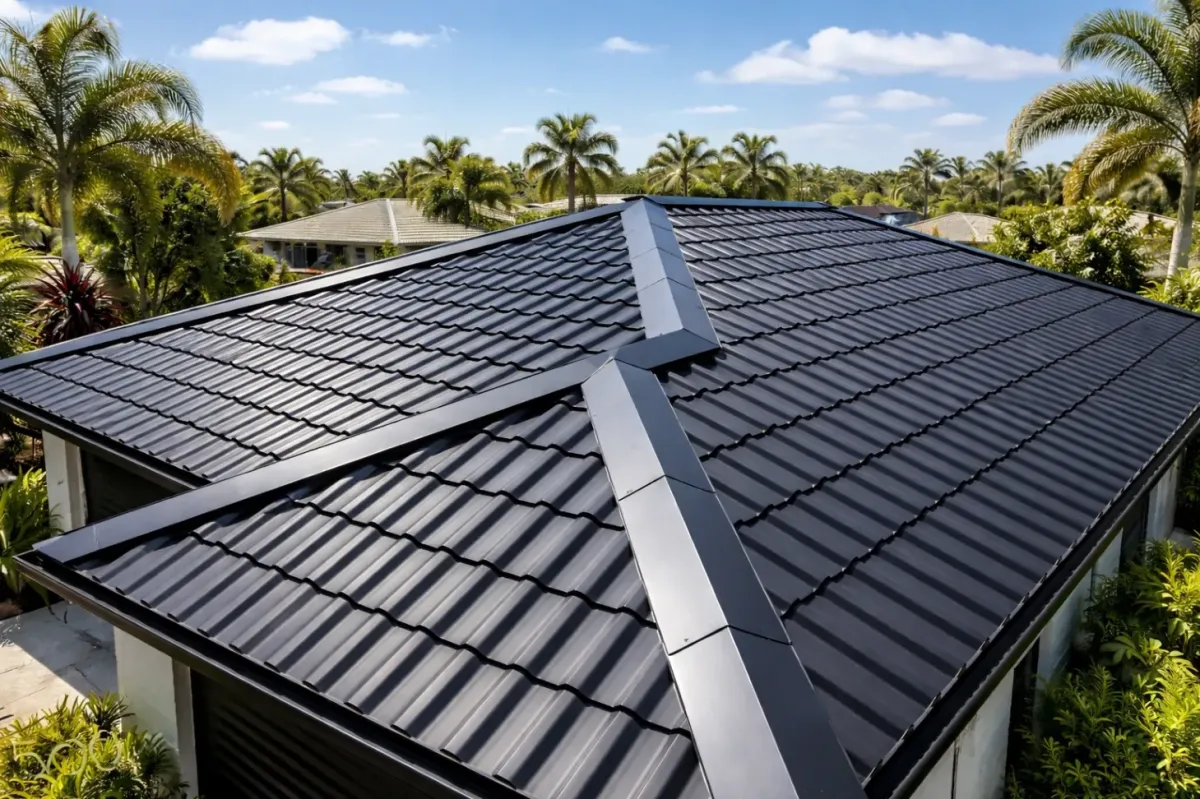
Flashings are installed wherever two different roof or building elements meet: where roof sheeting meets a wall, where two roof planes meet at a valley or hip, where the roof meets a parapet, where pipes, vents, skylights, and solar panel rails pass through the sheeting, and at ridge and barge edges where the roof surface terminates.
When a flashing is correctly installed and maintained, water flows over and around it without entering the building. When it fails, through cracking sealant, corrosion, incorrect original installation, or movement that has opened up a gap, the junction it was protecting becomes a direct entry point for water.
The reason flashing failures so often produce confusing leaks is that water does not enter and drip straight down. It travels along sarking, battens, the underside of sheeting, or through insulation before it appears somewhere inside the building, often far from the actual flashing that failed. This is why systematic inspection from the roof, not assessment from inside the ceiling, is how flashing leaks are reliably found.
book a free roof flashing inspection
Get a clear diagnosis and written quote. Call or book an inspection online.
signs
Common Signs You Need Flashing Repairs
A restoration is the right option when the roof has good structural integrity but the surface has fatigued. These are the signs that indicate restoration is likely to deliver real value:
Faded, chalky, or oxidised finish on Colorbond or painted metal sheeting. The protective coating is degrading but the underlying steel is still sound.
Early rust spots appearing at screw points, lap edges, or cut sheet ends. Surface rust that has not yet progressed to corrosion through the sheet can be treated and sealed effectively.
Minor recurring leaks at fasteners or around penetrations. If the leaks are at specific identifiable points rather than widespread across the roof, restoration with targeted repairs addresses the cause rather than just the symptom.
Cracking or dried sealant around penetrations including solar panel mounts, vents, skylights, and ridge cappings. Deteriorated sealant is straightforward to address during a restoration before it becomes an active water ingress point.
Roof looks tired but sheets are largely intact and sound. Dented, faded, and weathered sheeting that still has structural integrity is a good restoration candidate. Perforated, cracked, or heavily corroded sheeting is not.
The roof is between 10 and 25 years old and has not previously been restored. A well-timed restoration on a roof in this age range can extend serviceable life significantly at a fraction of re-roofing cost.
If you are unsure whether your roof is a good restoration candidate, an inspection with photos gives you a clear answer before you commit to anything.
Book a free roof inspection
Contact our roofers today to discuss your project requirements.
repair & replacement
Flashing Types We Repair and Replace on Metal Roofs
Different flashing types address different junctions on a roof. Here is a plain-English guide to the ones we work on regularly:
Apron Flashing
Apron flashings seal the junction where a roof surface meets a vertical wall at the lower edge of that wall, typically where a lower roof section butts up against a higher wall or where an extension meets an existing structure. Water flowing down the roof surface and down the wall must be intercepted and directed away from the junction. When an apron flashing fails through cracking sealant, corrosion, or wind lifting, the junction behind it becomes a direct entry point. Apron flashing repair is one of the most common roof flashing repairs we carry out across Brisbane properties with extensions or split-level designs.
Stepped Flashing
Stepped flashings are used along the side of a wall where the roof slopes upward, stepping with each course of brickwork or cladding to intercept and direct water away from the roof-to-wall junction. They are commonly found alongside chimneys, at parapet walls, and where skillion roofs adjoin taller structures. Stepped flashings are more complex to fabricate and install correctly than apron flashings, and failures at poorly detailed stepped junctions are a consistent source of ongoing leaks on properties where original installation was not to a sufficient standard.
Hip and Valley Flashing
Hip flashings run along the external angle where two roof planes meet at a hip. Valley flashings run along the internal angle where two roof planes meet at a valley. Valleys carry concentrated water flow from two roof catchment areas down to the gutter, making them high-priority components. Valley flashing replacement is needed when valley metal has corroded, when the valley has been installed with insufficient overlap, or when debris accumulation has caused water to back up over the valley edge. Hip and valley flashing repair across Brisbane and Sunshine Coast properties is a regular part of our work.
Barge Capping
Barge capping is a formed sheet metal component installed along the barge or rake edge of a roof to waterproof the junction between the roof sheeting and the fascia or barge board at the edge of the roof. It sits at the exposed edge of the roof where wind pressure is highest during storm events. When barge capping lifts, separates, or corrodes, wind-driven rain enters at the roof edge and can track across the underside of sheeting before showing up as internal water damage well away from the edge. Barge capping replacement is a straightforward repair when addressed early and a more complex one when the sheeting edge underneath has been exposed to water ingress for an extended period.
Penetration Flashings
Every element that passes through the roof surface requires its own custom flashing to seal the junction between the penetration and the surrounding sheeting. This includes roof vents, exhaust fan outlets, whirlybirds, skylight frames, solar panel rail mounts, antenna bases, and any pipe or conduit that exits through the roof. Penetration flashings rely on a combination of correctly overlapping sheet metal and sealant. The sealant component is the first to fail, particularly in Queensland's UV intensity and in coastal salt air environments. Roof penetration flashing repair, whether that means resealing around an existing flashing or fabricating and installing a new one, is one of the most frequent jobs we handle.
Ridge Capping
Ridge capping runs along the apex of a pitched roof, covering the junction where the two uppermost sheets of each roof plane terminate. It is bedded and sealed on both sides and is fixed to the roof structure through the sheeting below. When ridge capping sealant dries out and cracks, or when fixings work loose under heat cycling and wind, the capping lifts and creates a direct entry point for water at the highest point of the roof. Ridge capping repair and replacement is a standard part of our flashing repair work and is often done in conjunction with general roof servicing or restoration work.
Book a free roof inspection
Get an honest assessment from our team. Call or book an inspection online.
Reseal, Replace or Re-Roof: How We Decide What Is Right
Not every flashing failure requires the same response. Here is how we approach the decision:
Reseal / Repair
Isolated sealant failure
Flashing metal still sound
Leak at one defined point
Best for: aged sealant at
a vent, skylight, or wall
junction that is otherwise
correctly installed
Full Flashing Replacement
Flashing is corroded,
crushed, or incorrectly
installed originally
Repeated leak at same
location after resealing
Best for: valley flashings,
cappings, or apron flashings
that have failed structurally
Re-Roofing
Widespread sheet
corrosion alongside
multiple flashing failures
Re-sealing or replacing
individual flashings no
longer cost-effective
The decision is always based on what the inspection actually finds, not on a default preference for the most or least expensive option. If a reseal will give you a lasting result, that is what we recommend. If a flashing needs full replacement to solve the problem properly, we will say so and explain why.
service Area
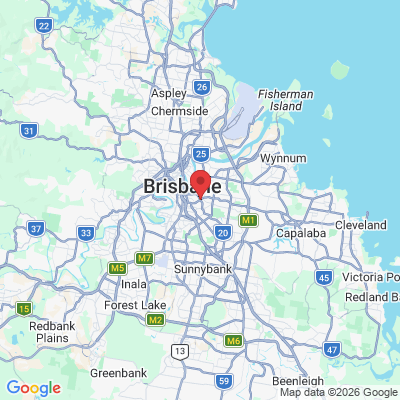
Custom Profile Roofing carries out metal roof flashing repairs and replacement across South East Queensland. Our core service corridor runs from Brisbane through North Lakes and North Brisbane up to the full Sunshine Coast region.
Brisbane
North Lakes
Ashgrove
Chermside
Petrie
Caboolture
Morayfield
Carindale
Caboolture
Redcliffe
Toowoomba
Gatton
Maroochydore
Sunshine Coast
FAQ
Roof Flashing Repair FAQs
What is roof flashing and where is it installed?
Roof flashing is sheet metal formed and fitted at every junction on the roof where water would otherwise find a way in. This includes where the roof meets walls (apron and stepped flashings), where two roof planes meet at valleys and hips (valley and hip flashings), at the roof edges (barge capping), at the roof apex (ridge capping), and wherever any element passes through the roof surface such as skylights, vents, solar panel mounts, and pipes (penetration flashings). Flashing intercepts water at these vulnerable points and directs it back into the roof drainage path.
Can a flashing failure cause leaks even if the roof sheets look fine?
Yes, and this is very common. The roof sheets themselves can be in excellent condition while a failed flashing at a wall junction, valley, or penetration allows water to enter. Flashing failures are responsible for a significant proportion of the roof leaks we investigate and repair. In many cases, a homeowner has had the roof inspected from the ground or from inside the ceiling without finding the source because the failure is at a junction that only becomes visible on the roof surface with a close inspection.
Do you repair flashing on Colorbond and other metal roofs?
Yes. We carry out flashing repairs and replacement across all common metal roofing profiles used in Queensland including Colorbond, Zincalume, Klip-Lok, Trimdek, and corrugated iron. The flashing materials and methods we use are appropriate for the profile and the substrate. Where new flashings need to be fabricated, we use compatible metals to avoid galvanic corrosion at the junction.
Should a flashing be resealed or replaced?
It depends on the condition of the flashing metal itself. If the flashing is correctly formed, correctly installed, and structurally sound, a failed sealant bead can be stripped back and replaced to restore the watertight seal. If the flashing metal is corroded, if the original installation is inadequate, or if the same junction has been resealed before and is leaking again, full replacement is the right call. Applying sealant over a flashing that has a more fundamental problem provides a short-term result. We assess this during the inspection and recommend accordingly.
Can you fix leaks around skylights, vents, and solar panel penetrations?
Yes. Penetration flashings around skylights, roof vents, exhaust outlets, whirlybirds, and solar panel rail mounts are among the most common flashing failures we repair. The approach depends on what has failed: a sealant-only failure can be addressed with a reseal, while a flashing that was never correctly installed or has corroded through needs replacement. We assess the penetration condition during the inspection and confirm the appropriate repair method before quoting.
What is the difference between apron flashing and stepped flashing?
An apron flashing seals the lower horizontal junction where a roof surface meets a wall, catching water flowing down both the roof and the wall and directing it away from the junction. A stepped flashing seals the inclined junction where a roof slopes upward alongside a wall, stepping with the wall coursing to intercept water at each course level. Apron flashings are used at the base of a wall junction. Stepped flashings are used along the side of a wall junction where the roof angle requires the flashing to follow the slope.
Do you replace ridge capping and barge capping?
Yes. Ridge capping and barge capping replacement is a standard part of our flashing repair work. Both are prone to sealant failure, fixing movement, and in some cases corrosion, particularly on older roofs or in coastal environments. We reseal cappings where the metal is still sound and replace them where the metal has deteriorated or where the original installation was not to an adequate standard.
How long do flashing repairs take?
Minor flashing repairs such as resealing a penetration or a small apron flashing section can often be completed in a few hours on the same day as the inspection. Full flashing replacement at a complex junction, a valley replacement, or work involving multiple separate flashings across a larger roof area may take a full day or require a follow-up visit where fabricated flashings need to be prepared. We provide a realistic timeline in the written quote.
What happens if it rains before the job is finished?
For multi-day jobs, we secure all open junctions at the end of each working day so the building is protected overnight. We plan schedules around forecast weather where possible and communicate early if conditions require a change to the plan. We do not leave any flashing junction open and unprotected at the end of a working day.
When is a re-roof more cost-effective than repeated flashing repairs?
When the flashing failures are a symptom of widespread roof deterioration rather than isolated junction problems, continued repair investment delivers diminishing returns. If the same junctions keep failing, if the sheeting alongside the flashings is also corroded, or if the scope of flashing work needed across the roof is approaching the cost of re-roofing, replacement is the better long-term investment. We will make this assessment during the inspection and give you a comparison of both options if the situation calls for it.
Book a free flashing inspection
QBCC licensed. Fully insured. Written scope before any work starts. Workmanship guarantee on every repair.
Talk to a Local Metal roofer Today
Whether you've got a leak that needs sorting this week or you're planning a full re-roof, we're ready to help. Get in touch with Custom Profile Roofing for a fast, written quote from a team that knows metal roofing inside out.
© Custom Profile Roofing, 2026 All rights Reserved.