Servicing South East Queensland
architectural roofing
Servicing Brisbane, South East Queensland & Sunshine Coast
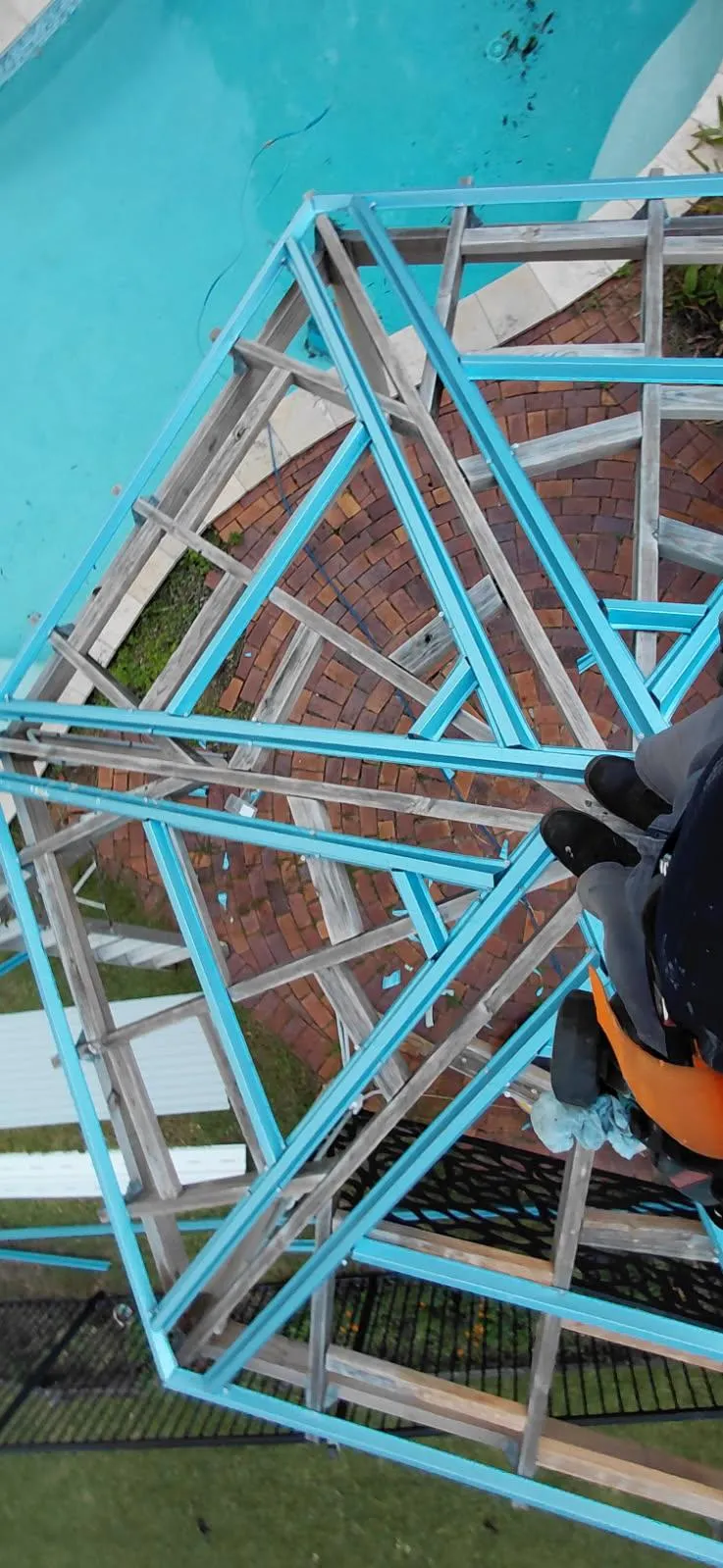
Architectural metal roofing installed with precision detailing. Clean lines, concealed fixings, and watertight junctions.
Architectural metal roofing is specified when appearance and detailing matter as much as performance. Standing seam and concealed-fix systems give architects and builders the long, uninterrupted roof planes, clean shadow lines, and absence of exposed fasteners that define contemporary and high-end residential design. The performance case for these systems is equally strong: no exposed fixings means no washer degradation, no rust streaks from corroding screw heads, and no fastener-point water entry.
The challenge is that these outcomes depend entirely on the installation. A standing seam or concealed-fix roof that has been installed without attention to panel alignment, junction detailing, penetration flashing, and drainage is one that will create problems that are disproportionately difficult and expensive to fix after the fact.
Custom Profile Roofing installs architectural metal roofing across Brisbane, SEQ, and the Sunshine Coast for architects, builders, and owner-builders working on new builds, renovations, and premium re-roofing projects. Every project starts with a clear written scope and ends with a roof that performs as well as it looks.
What every job includes:
QBCC-licensed tradespeople on the tools throughout the project
Site inspection with photos and a written condition assessment
Risk and access plan developed before work begins
Written scope and quote covering materials, inclusions, and timeline
Workmanship guarantee on all repairs and installations
Full handover documentation including photos of completed work



Architectural Roofing Systems We Install
Standing Seam Roofing
Concealed-Fix Tray and Clip Systems
Complex Roof Forms
Custom Folded Flashings and Parapet Detailing
Materials and Finishes
Colorbond, Zincalume, and Coastal Options
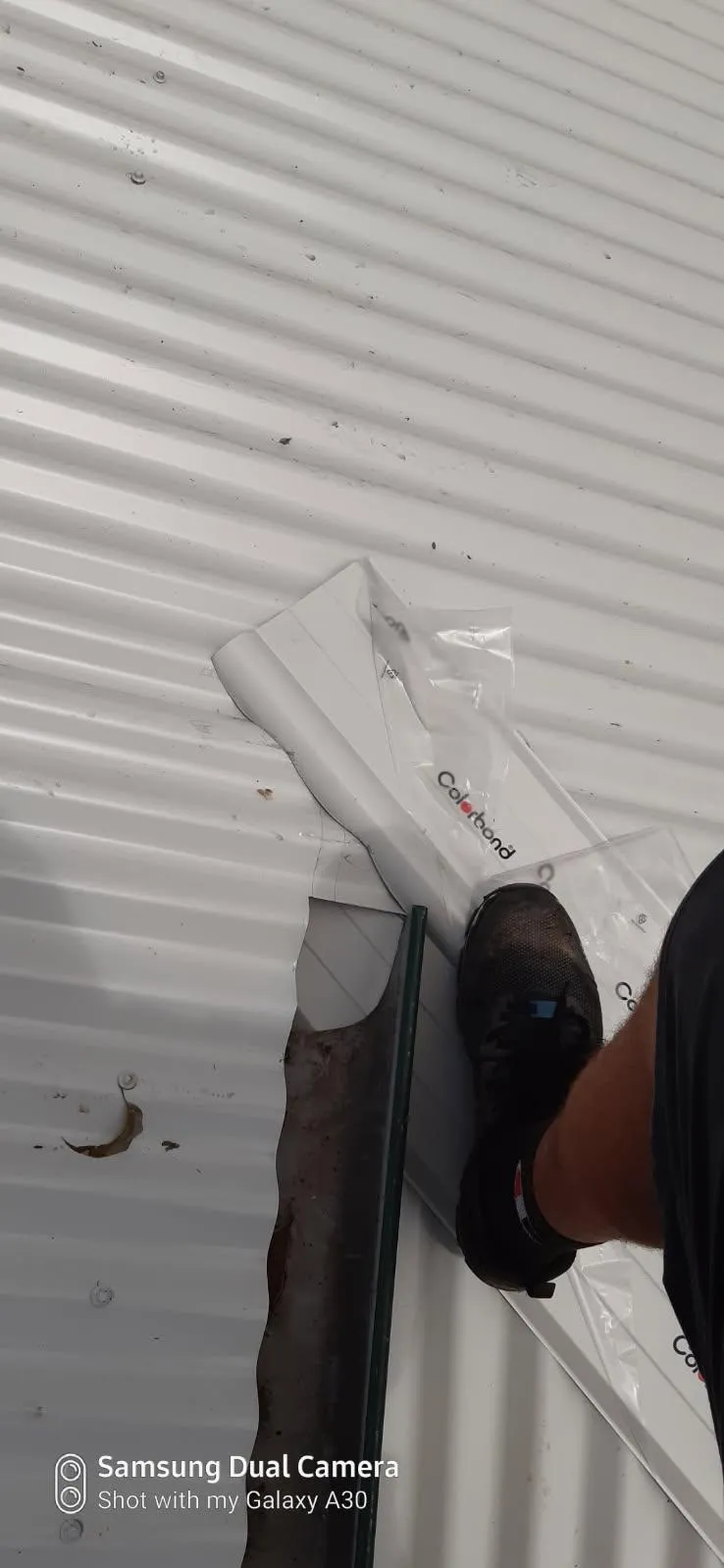
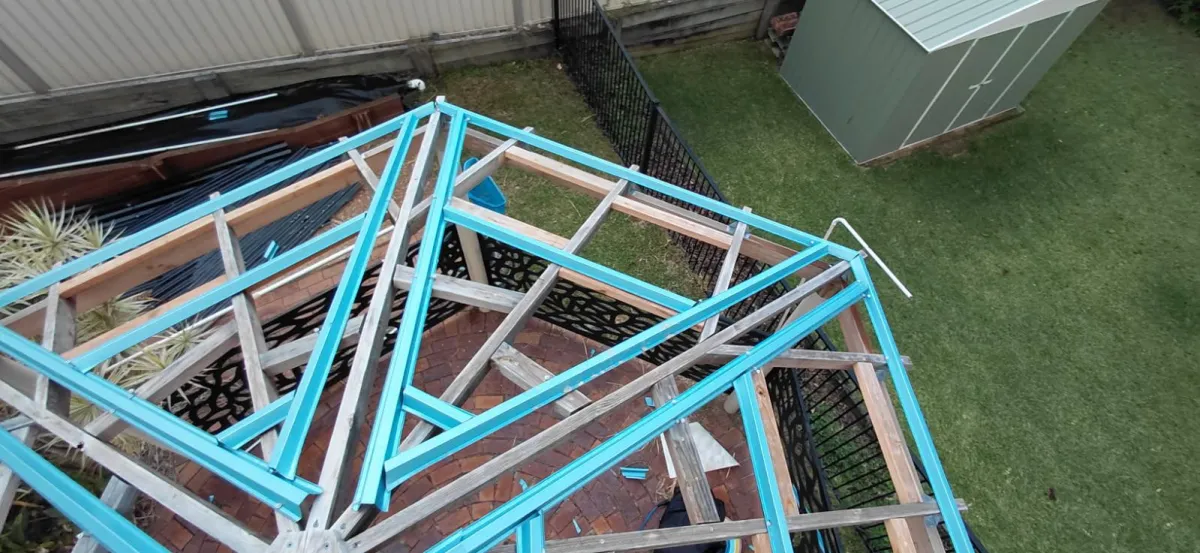
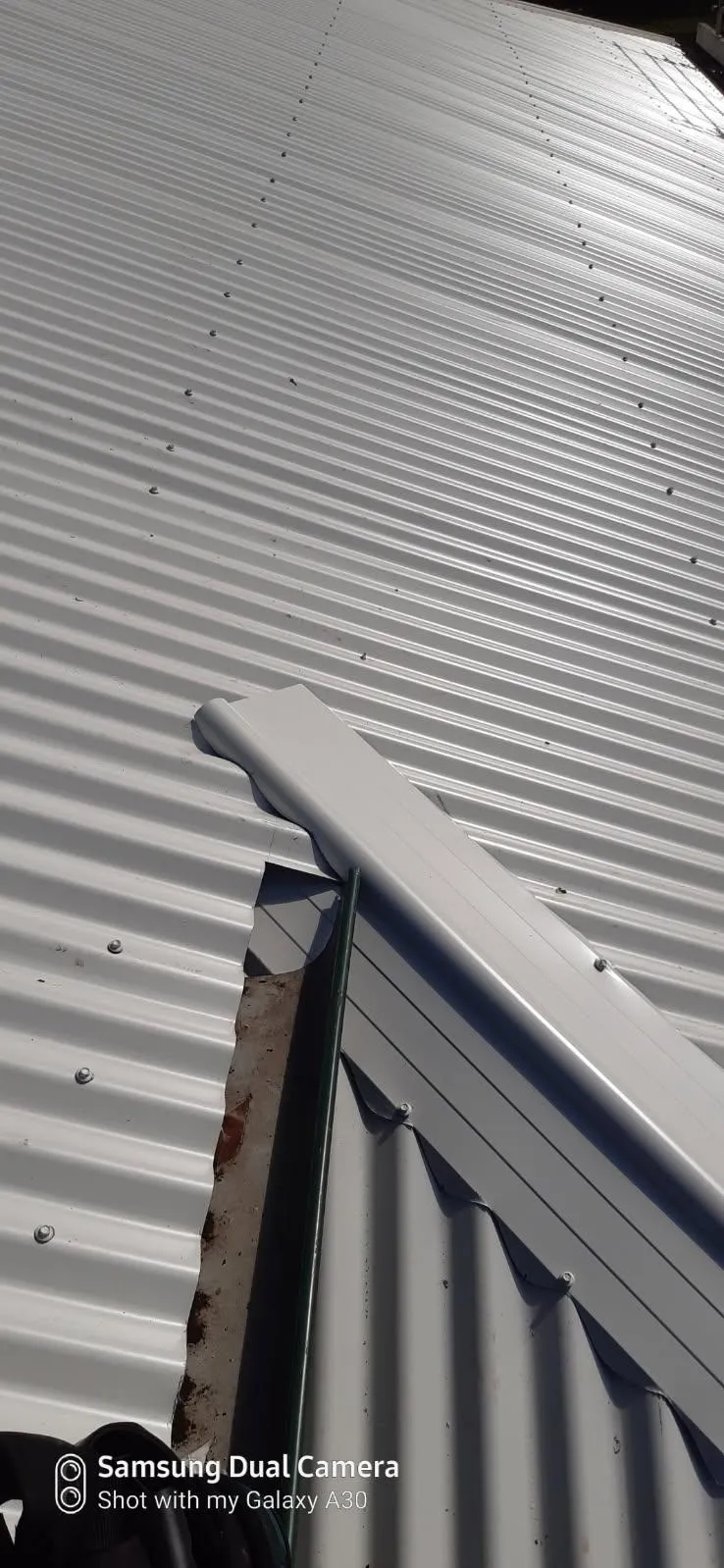
The material and finish selection for an architectural roofing project should be made with both the design intent and the exposure environment of the property in mind.
Colorbond Steel
Colorbond steel manufactured by Bluescope is the standard material for architectural metal roofing across Queensland. It is available in a comprehensive colour range that spans heritage and contemporary palettes, across multiple profiles and seam systems. The Thermatech solar reflectance coating contributes to the thermal performance of the roof in Queensland's climate. For architectural projects where colour is a significant design decision, Colorbond provides the consistency and availability to match design intent reliably across multiple roof sections and associated flashings.
Zincalume Steel
Zincalume steel in its natural unpainted finish is increasingly specified on contemporary architectural projects where the zinc-grey metallic appearance is part of the design intent. It is also widely specified for architectural projects in coastal environments where its zinc-aluminium alloy composition provides strong corrosion resistance without relying on a painted coating system. For Sunshine Coast coastal properties and coastal Brisbane suburbs where salt air is a factor, Zincalume is a legitimate material choice for the roof substrate where the unpainted finish suits the design.
Coastal and High-Exposure Environments
For architectural projects on the Sunshine Coast and coastal Brisbane suburbs, material and fastener selection is part of the design specification, not an afterthought. Salt air accelerates corrosion at every exposed metal junction including seam edges, flashing terminations, and any point where the coating has been scratched or worn during installation. We specify coating systems, panel materials, fastener grades, and sealant types appropriate for the exposure environment of the project as a standard part of the written scope. Bluescope manufactures steel products marketed specifically for higher-exposure coastal environments, and we advise on appropriate product selection for the specific site during the design review stage.
service Area
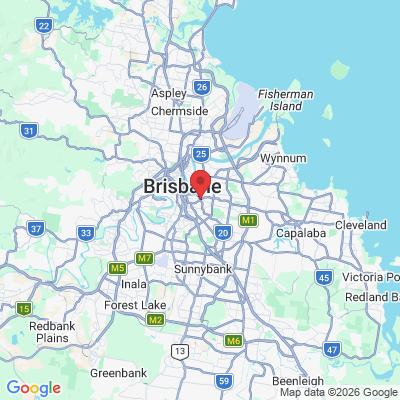
Custom Profile Roofing installs architectural metal roofing across South East Queensland. Our core service corridor runs from Brisbane north through North Lakes and the North Brisbane corridor up to the full Sunshine Coast region.
Brisbane
North Lakes
Ashgrove
Chermside
Petrie
Caboolture
Morayfield
Carindale
Caboolture
Redcliffe
Toowoomba
Gatton
Maroochydore
Sunshine Coast
FAQ
Architectural Roofing FAQs
What is the difference between standing seam and concealed-fix roofing?
Standing seam roofing uses panels that run the full length of the roof slope, joined at their edges by raised seams that are folded or mechanically locked together. The fixing clips are hidden within these seams. The visual result is a series of parallel raised seam lines running from ridge to eave with no exposed fasteners on the face of the panel. Concealed-fix systems such as Klip-Lok use a clip-to-batten fixing method where the panel clicks onto clips that are hidden within the rib once the adjacent panel is engaged. Both deliver a concealed-fix outcome. Standing seam systems are generally more demanding to install and are typically specified where the seam detail is part of the architectural intent. Concealed-fix tray systems are more commonly specified for residential and commercial projects where the absence of exposed fasteners is the primary requirement.
Is standing seam roofing suitable for coastal homes on the Sunshine Coast?
Yes, with appropriate material and fastener specification. The absence of exposed fixings in a standing seam system is actually an advantage in coastal environments because it eliminates the washer-degradation failure mode that affects exposed-fix roofing in salt air. The panel material, seam edge coatings, and any exposed fasteners at terminations should be specified for the coastal exposure level. For high-exposure Sunshine Coast sites, Bluescope manufactures steel products specifically marketed for increased coastal corrosion resistance. We advise on the appropriate specification for the site during the design review stage.
How do you prevent leaks at parapets and wall junctions on an architectural roof?
Through correct design and fabrication of the flashing and capping system at those junctions. Parapets require a capping that waterproofs the top of the parapet, a flashing that covers the transition from the roof surface to the parapet face, and an upstand from the roof plane that prevents water from backing up at the parapet base during heavy rain. Wall junctions require stepped or apron flashings that intercept water running down the wall and direct it back onto the roof surface rather than into the junction. We fabricate all of these elements custom for each project and confirm the detailing at the design review stage before fabrication begins.
Can you match colours and finishes across the Colorbond range?
Yes. The current Colorbond colour range covers a wide palette from heritage and neutral tones through to contemporary darker colours. Where a specific colour is specified in the architectural drawings, we confirm availability before the quote is finalised. Custom flashings and cappings are fabricated in matching or complementary Colorbond colours so that every element of the roof surface presents consistently. Where a specific colour has been discontinued, we advise on the closest available alternative.
How long does an architectural roof installation take?
Timeline depends on the size and complexity of the project, the number of penetrations and custom junctions, access requirements, and weather. A straightforward skillion addition with a single roof plane and minimal penetrations can be completed in a few days. A complex multi-plane architectural roof with custom parapets, internal gutters, multiple skylights, and solar integration on a larger home takes considerably longer. We provide a realistic timeline in the written scope. For builder-coordinated projects, we work to the agreed programme and communicate early if anything affects the schedule.
What maintenance does a metal architectural roof need?
Less than most roofing systems, which is one of the genuine long-term advantages of a well-installed standing seam or concealed-fix system. The key maintenance tasks are: keeping internal gutters and box gutters clear of debris, inspecting all flashing and capping terminations annually for any sealant cracking or lifting, checking penetration collar flashings around skylights and vents every few years, and on coastal properties washing the roof surface annually to remove salt deposit buildup. The absence of exposed fasteners means the washer-degradation maintenance task that affects exposed-fix roofing does not apply. We provide specific maintenance guidance at handover for every architectural project.
Can you re-roof an existing home with a standing seam system?
Yes. Upgrading to a standing seam or concealed-fix system during a re-roof is a legitimate and increasingly common choice for owners investing in a premium renovation. The existing roof is removed, the batten condition and structural substrate are assessed, and any required upgrades are carried out before the new system is installed. Some standing seam systems have specific substrate requirements that differ from standard exposed-fix roofing, and these are confirmed during the design review stage. We can provide a comparative quote for a standard re-roof and an architectural system upgrade so you can make a fully informed decision.
What affects the cost of an architectural roof installation the most?
The biggest cost drivers are roof geometry and the number of custom junctions it creates, the complexity and quantity of custom-fabricated flashings and cappings, the number and type of penetrations requiring custom collar flashings, and access and safety system requirements. Material choice between standard Colorbond profiles and premium or coastal-specification products also affects the material cost component. We provide an itemised written quote after the plan review and site visit so you understand exactly what drives the total cost before committing.
Book an Architectural Roofing Consultation
Whether you are an architect or builder looking for a metal roofing subcontractor for a current project, or an owner-builder planning a new build or premium renovation, the right first step is a conversation with our team. Send through the plans if you have them and we will come back with an informed response on feasibility, system selection, and an indicative scope.
Talk to a Local Metal roofer Today
Whether you've got a leak that needs sorting this week or you're planning a full re-roof, we're ready to help. Get in touch with Custom Profile Roofing for a fast, written quote from a team that knows metal roofing inside out.
© Custom Profile Roofing, 2026 All rights Reserved.