Servicing South East Queensland

Screw Replacement & Re-Fastening
Servicing Brisbane, South East Queensland & Sunshine Coast
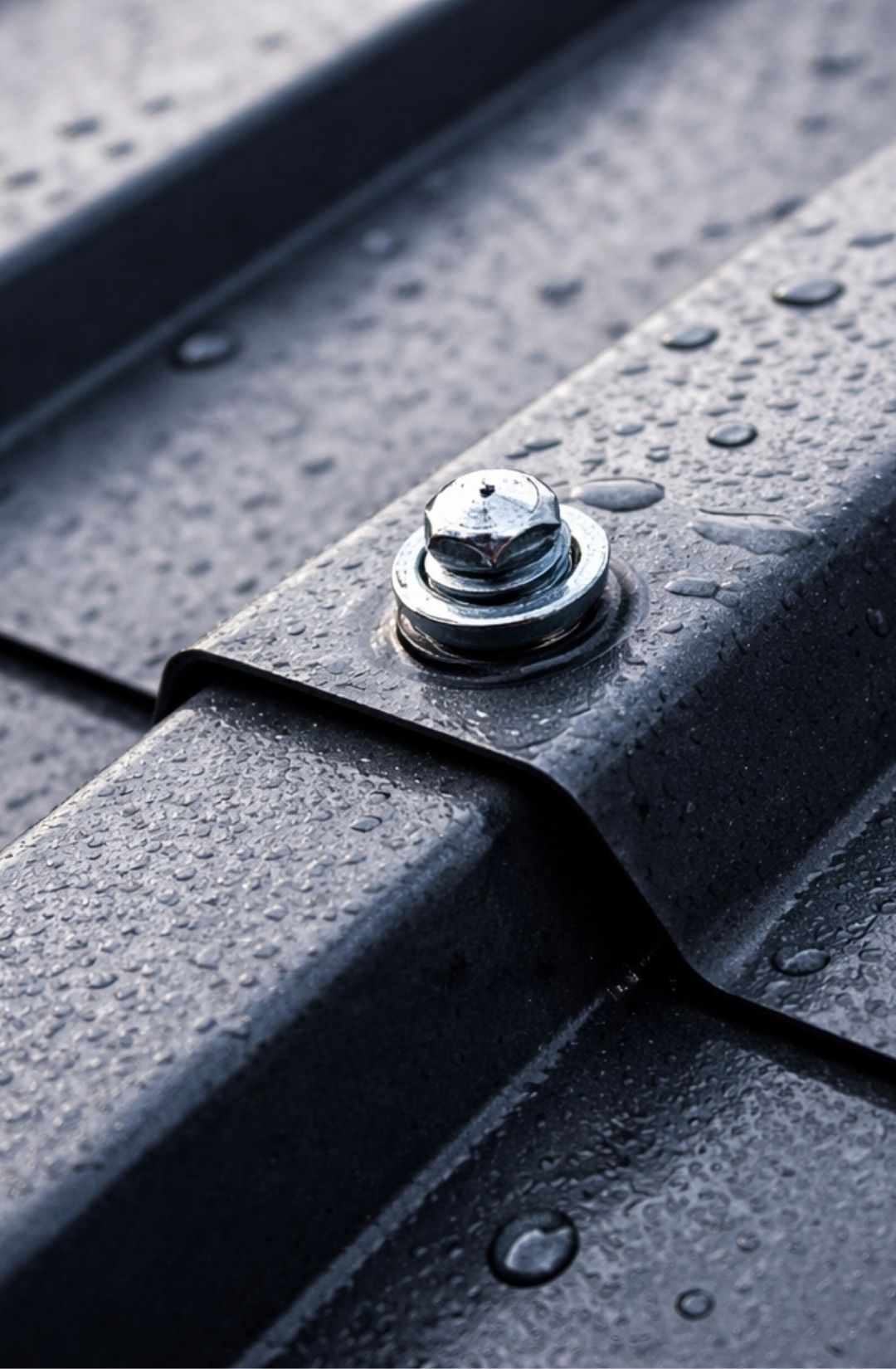
Identify failed fixings. Replace screws and washers. Re-secure sheeting to stop leaks and sheet movement.
Every exposed-fix metal roof relies on screws and sealing washers to hold sheeting in place and keep the fixing points watertight. When those washers perish, when screws corrode, or when fixings work loose over time, each affected point becomes both a potential water entry path and a location where sheet movement can occur in high winds. In Queensland's climate, this is not an edge case. It is one of the most consistent failure patterns we see across metal roofs of all ages across Brisbane and the Sunshine Coast.
Roof screw replacement Brisbane, also called re-screwing or re-fastening, is a cost-effective repair that addresses the fixing system across an affected section or the full roof before those failure points generate active leaks or sheet damage. Custom Profile Roofing carries out screw replacement and re-fastening on all common Queensland metal roofing profiles including Colorbond, Zincalume, Trimdek, Klip-Lok, and corrugated iron.
What every job includes:
QBCC-licensed tradespeople on the tools throughout
On-roof inspection with photos to identify failed fixings and any associated water tracking
Written scope and quote before any work begins
Compatible screws and washers specified for the roof material and exposure level
Workmanship guarantee on completed re-screwing and re-fastening
Tidy site and clean handover




What Is Roof Re-Screwing and Re-Fastening?
Roof re-screwing, also called re-fastening, is the process of replacing failed or deteriorated screws and sealing washers on an exposed-fix metal roof. On exposed-fix roofing profiles such as Trimdek and corrugated iron, each sheet is fixed to the roof structure through the top of the sheet rib with a self-drilling screw fitted with a sealing washer. That washer compresses against the sheet when the screw is driven, creating the watertight seal at the fixing point.
When washers fail, the seal breaks and water can run down the screw shank directly into the roof cavity. When screws corrode, the fixing point itself can become a source of rust staining and an active leak. When fixings work loose through heat cycling and roof movement, sheeting can lift or rattle at the lap in wind conditions.
Re-screwing replaces the failed fixings with new screws and fresh washers compatible with the roof material and the exposure level of the property. It is not a cosmetic procedure. Done properly, it addresses one of the most common and most preventable sources of water ingress on metal roofs across SEQ.
book a free roof inspection
Call or book an inspection online.
why
Why Roof Screws Fail
Screw and washer failure on Queensland metal roofs is not random deterioration. It follows predictable patterns driven by the specific conditions of the SEQ climate:
Heat Cycling and Roof Movement
Metal roofing expands and contracts with every temperature change. In Queensland's climate, with high daytime temperatures and cooler nights, this cycling occurs daily and is more pronounced than in temperate climates. Over years, this repeated movement causes screws to work slightly in their fixing holes. Where a screw has backed out even fractionally, the washer compression is reduced and the watertight seal is compromised. On roofs with a high density of fixings that have experienced this movement over many years, widespread washer failure across a section is common.UV Degradation of Sealing Washers
Rubber and neoprene sealing washers are exposed to direct sunlight where they compress against the roof sheet surface. Queensland's UV intensity is among the highest in the world, and sustained UV exposure hardens and dries rubber compounds faster than in cooler or less sunny climates. A washer that is visibly cracked, hardened, or no longer compressing against the sheet has lost its sealing function even if the screw itself is still holding the sheet in place.Corrosion at Fixing Points
Where the protective coating on a screw has failed, either through mechanical damage during installation, through galvanic interaction with an incompatible roofing material, or through general corrosion over time, the screw shank corrodes. Corrosion products expand the diameter of the shank in the fixing hole, which can further loosen the fixing, and the rust at the head stains the roof surface in patterns that are visible from the ground. On coastal Sunshine Coast properties and coastal Brisbane suburbs, salt air significantly accelerates this corrosion process at every exposed metal point.Incompatible or Incorrect Fixings
Screws and washers installed with materials incompatible with the roof substrate can fail faster than correctly specified fixings. Manufacturer guidance for coated steel roofing products such as Colorbond and Zincalume specifies compatible fastener and washer materials designed to provide long-term corrosion resistance appropriate for the product and the exposure environment. Where previous repairs or the original installation used incompatible fasteners, premature failure at those fixing points is common.
replacement
Our Screw Replacement and Re-Fastening Service: What Is Included
A properly carried out roof re-screwing job covers more than just pulling old screws and driving new ones. Here is the full scope of what we carry out:
On-Roof Inspection and Photos
We inspect the full roof surface or the affected section, assess washer and screw condition at every fixing point, and photograph failed fixings and any associated water tracking. We do not estimate the scope of failure from the ground. The inspection tells us whether the issue is isolated to a specific section, widespread across the full roof, or concentrated at particular areas such as north-facing slopes that receive higher UV loading.
Replace Rusted and Corroded Screws
Failed screws are removed and replaced with new screws and fresh sealing washers appropriate for the roof profile, the substrate material, and the exposure level of the property. We select fixings suited to the environment: coastal Sunshine Coast properties and coastal Brisbane suburbs receive fixings with appropriate corrosion resistance for salt air exposure. We do not use generic hardware store screws as replacements on metal roofing.
Replace Perished Sealing Washers
Where screws are still structurally sound but the washer has failed, we replace the washer. The washer is the component doing the waterproofing work at the fixing point. Driving a new screw alongside a row of failed washers without replacing them leaves active water entry points in place.
Re-Fasten Loose Sheeting
Where fixings at lap lines or ridge points have backed out or are no longer holding the sheet correctly, we re-fasten the sheeting. This reduces sheet movement in wind and re-establishes the correct lap compression that prevents wind-driven rain entry at the sheet edges.
Check High-Risk Areas
Ridge lines, hip lines, valleys, sheet laps, and all penetrations in the re-screwing zone are checked during the job. These areas have higher fixing density requirements and are more exposed to water entry if fixings fail. Any flashings or cappings in the same area that require attention are identified during this check.
Clean-Up and Workmanship Documentation
All removed screws and installation offcuts are cleared from the roof and gutters. The site is left tidy. You receive workmanship documentation covering the scope completed and our guarantee details.
Book a free roof inspection
Request a roof re-screwing quote. Call or submit an inspection request online.
Re-Screwing vs Restoration vs Re-Roof: What Is the Right Option?
Understanding how re-screwing fits within the broader range of roof service options helps you make the right decision for your specific roof:
Re-Screwing / Re-Fastening
Sheets structurally sound
Failure mainly at fixings
and washers
Isolated or widespread
washer deterioration
Best for: roofs where
the steel is good but
the fixings have failed
Restoration
Sheets sound but surface
fatigued across the roof
Fading, minor rust,
aged sealants
Includes repair, prep
and recoating
Best for: broader surface
treatment on a roof with
good structural integrity
Re-Roof
Widespread sheet
corrosion or structural
failure
Multiple recurring leaks
at different locations
Roof past serviceable life
Re-screwing is the right option when the sheeting is sound and the failure is concentrated at the fixing system. It is not a substitute for a restoration on a roof with broad surface fatigue, and it is not a long-term solution on a roof where the sheets themselves are past their serviceable life.
service Area
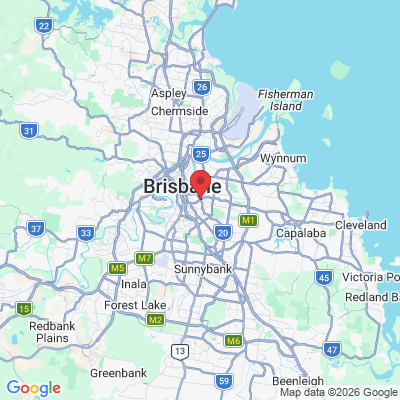
Custom Profile Roofing carries out roof screw replacement and re-fastening across South East Queensland. We service Brisbane, North Lakes, North Brisbane, and the full Sunshine Coast from Caloundra to Noosa plus the hinterland.
Brisbane
North Lakes
Ashgrove
Chermside
Petrie
Caboolture
Morayfield
Carindale
Caboolture
Redcliffe
Toowoomba
Gatton
Maroochydore
Sunshine Coast
FAQ
Roof Sheet Replacement FAQs
What is roof re-screwing or re-fastening?
Roof re-screwing, also called re-fastening, is the process of replacing failed screws and sealing washers on an exposed-fix metal roof. Old, corroded, or loose fixings are removed and replaced with new compatible screws and fresh washers that restore the watertight seal at each fixing point and re-secure sheeting that has moved.
Can loose or failed screws cause roof leaks?
Yes. When a sealing washer fails or a screw corrodes at the head, the fixing point becomes a direct water entry path. Water can run down the screw shank into the roof cavity, often tracking along sarking or battens before it shows up as a ceiling drip. Failed screw washers are one of the most common causes of metal roof leaks across Brisbane and the Sunshine Coast.
Do you replace the washers as well as the screws?
Always. The washer is the component doing the waterproofing work at the fixing point. Driving a new screw without replacing the washer leaves a compromised seal in place. Where the screw is still structurally sound but the washer has failed, we replace the washer. Where the screw itself is corroded or backed out, we replace both.
How long does roof re-screwing take?
A section re-screwing job on a small area can often be completed in a few hours. A full roof surface re-fastening on a larger residential property typically takes one to two days. We provide a realistic timeline in the written quote once the inspection has confirmed the scope.
Will re-screwing permanently fix my roof leak?
If the leak is primarily at fixing points due to failed washers or corroded screws, yes. A properly carried out re-screwing that replaces failed fixings and checks adjacent flashings and penetrations in the same area addresses the cause. If the leak is also from a failed flashing or a damaged sheet, those issues are identified during inspection and included in the scope.
Do you work on Colorbond and other metal roofs?
Yes. We carry out screw replacement and re-fastening on all common Queensland metal roofing profiles including Colorbond, Zincalume, Trimdek, corrugated iron, and Klip-Lok. The fixing specification used is appropriate for the substrate material and the exposure level of the property.
Do you check flashings and penetrations during re-fastening?
Yes. Ridge lines, hip lines, sheet laps, and all penetrations in the re-screwing zone are checked as part of the job. Any flashings or cappings that need attention in the same area are identified and included in the scope where appropriate. Re-screwing a roof while leaving adjacent flashing failures in place does not fully resolve the water entry risk.
How do you choose compatible screws and washers for steel roofing?
We select fixings appropriate for the roof profile, the substrate material, and the exposure level of the property. Manufacturer guidance for products like Colorbond and Zincalume specifies compatible fastener materials to avoid galvanic corrosion at fixing points. Coastal properties receive fixings with corrosion resistance appropriate for salt air environments. The specification is confirmed in the written quote.
Is re-screwing a good alternative to re-roofing?
It is the right option when the sheeting is sound and the failure is concentrated at the fixing system. If the sheets themselves are corroded through in multiple places, or if leaks are recurring at locations beyond fixing points, re-roofing is likely to be the better long-term investment. We assess this during inspection and give you an honest comparison of both options if the situation warrants it.
How often should metal roofs be inspected for screw and fixing condition?
As a general guide, an inspection every five to seven years for inland Brisbane properties and every three to five years for coastal Sunshine Coast properties is a reasonable maintenance interval. Roofs older than 15 years in any location benefit from a fixing inspection regardless of whether leaks have appeared yet, as washer failure can be widespread before it generates active water ingress. An inspection is always worthwhile after a significant storm event.
Book Roof Screw Replacement and Re-Fastening
If your metal roof has visible rust at screw heads, recurring leaks around fixing points, or loose sheeting in wind conditions, the right first step is an on-roof inspection with photos. We will assess the fixing system honestly, confirm the scope, and provide a written quote before any work starts.
Talk to a Local Metal roofer Today
Whether you've got a leak that needs sorting this week or you're planning a full re-roof, we're ready to help. Get in touch with Custom Profile Roofing for a fast, written quote from a team that knows metal roofing inside out.
© Custom Profile Roofing, 2026 All rights Reserved.